The Essential Guide to Polyethylene Gloves: Utility, Manufacturing, and Market Evolution
Published on 2026/2/12
Share to:
The Essential Guide to Polyethylene Gloves: Utility, Manufacturing, and Market Evolution
Polyethylene (PE) gloves have become a cornerstone of the global hygiene and safety industry. As a 100% latex-free and cost-effective alternative to nitrile or latex, these gloves are essential for light-duty tasks across various sectors.
In the global landscape of Personal Protective Equipment (PPE), polyethylene (PE) gloves have emerged as the unsung heroes of high-volume, low-risk environments. Often recognized as the clear, loose-fitting gloves found in sandwich shops and hair salons, these tools are vital for maintaining hygiene standards across a multitude of industries.
What are Polyethylene Gloves?
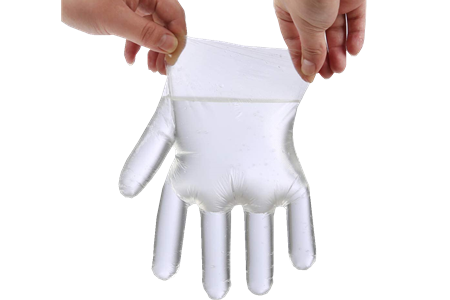
Polyethylene gloves, commonly known as PE gloves, are lightweight disposable gloves crafted from polyethylene resin. Unlike nitrile or latex gloves, which are designed to fit like a second skin, PE gloves feature a loose, "one-size-fits-most" design.
They are categorized primarily by the density of the plastic used:
LDPE (Low-Density Polyethylene): Highly flexible and soft, ideal for delicate tasks.
HDPE (High-Density Polyethylene): Stiffer and more puncture-resistant, often used for heavier food prep.
CPE (Cast Polyethylene): A premium version where the plastic is "cast" to create a textured surface, offering superior grip and durability compared to standard PE.
Because they are made entirely of plastic, they are naturally latex-free and powder-free, making them the safest choice for users with sensitive skin or Type I allergies.
The Manufacturing Process: From Resin to Hand
The production of PE gloves is a marvel of high-speed automation, differing significantly from the "dipping" method used for rubber-based gloves.
Extrusion: The process begins with melting polyethylene pellets. The molten plastic is blown into a thin, continuous film.
Layering: This film is flattened and fed into a machine in two parallel layers.
Heat Sealing and Die-Cutting: A metal mold in the shape of a hand—known as a die—presses down onto the two layers. The die uses thermal energy to "weld" the edges of the two sheets together. Simultaneously, the blade edge of the die cuts the glove shape out of the film.
Waste Recovery: The "skeleton" of leftover plastic film is stripped away. One of the environmental advantages of this process is that this scrap is often immediately recycled back into the production line to create new film.
Finishing: The finished gloves are mechanically stacked and boxed, ready for distribution.
Key Applications: Where PE Gloves Shine
PE gloves are not designed for surgery or handling caustic chemicals; rather, they are optimized for short-term tasks that require frequent glove changes.
Food Service & Hospitality: This is the primary market for PE gloves. They are used for assembling sandwiches, handling deli meats, and plating food to prevent the transfer of pathogens from hands to ready-to-eat meals.
Beauty and Personal Care: Stylists use them during hair coloring treatments to protect their hands from stains, and estheticians use them for basic hygiene during quick treatments.
Retail and Grocery: In the post-pandemic era, many grocery stores provide PE gloves at produce stations or self-service buffets to ensure customer safety.
Light Industrial & Cleaning: They are used for light-duty tasks, such as sorting small parts or quick household cleaning chores that don't involve harsh solvents.
The Benefits of Choosing Polyethylene
The widespread adoption of PE gloves is driven by several distinct advantages:
Unmatched Cost-Efficiency: They are the most affordable glove option on the market. For businesses that require workers to change gloves every 15 to 30 minutes, the cost savings over nitrile or latex are substantial.
Speed of Use: The loose fit allows workers to "slip" the gloves on and off in seconds, which is critical in fast-paced environments like fast-food kitchens.
Hypoallergenic Properties: With zero latex proteins and no powder, the risk of contact dermatitis or allergic reactions is virtually eliminated.
Chemical Stability: Polyethylene is highly resistant to fats, oils, and greases, making it ideal for food handling.
In conclusion, while Polyethylene gloves are often categorized as "entry-level" PPE, their role in maintaining global hygiene standards is irreplaceable. Their evolution from simple, loose-fitting sheets to sophisticated, textured CPE and TPE (Thermoplastic Elastomer) blends demonstrates a market shift toward better ergonomics and durability. As industries move toward more stringent safety regulations, understanding the specific material properties of PE gloves ensures that businesses can balance cost-efficiency with uncompromising protection. The future of the sector will likely be defined by further innovations in material thinness and the development of more sustainable, recyclable polyethylene resins.


 WhatsApp
Send us your message
You can send an email asking for the price and detailed information of this product. We will reply you as soon as we receive your email